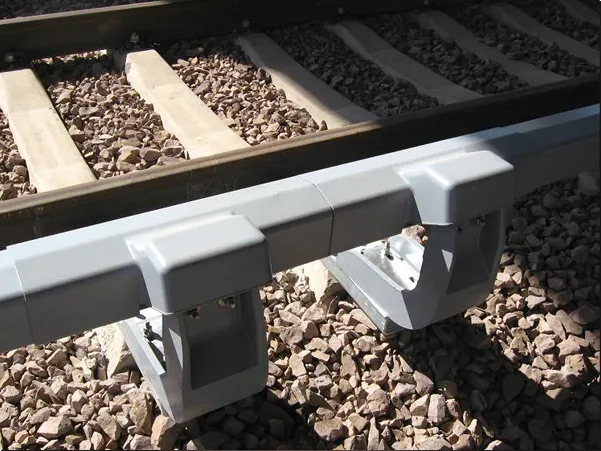
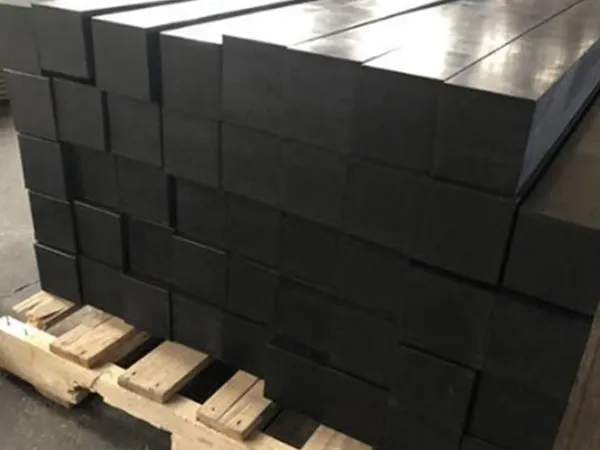
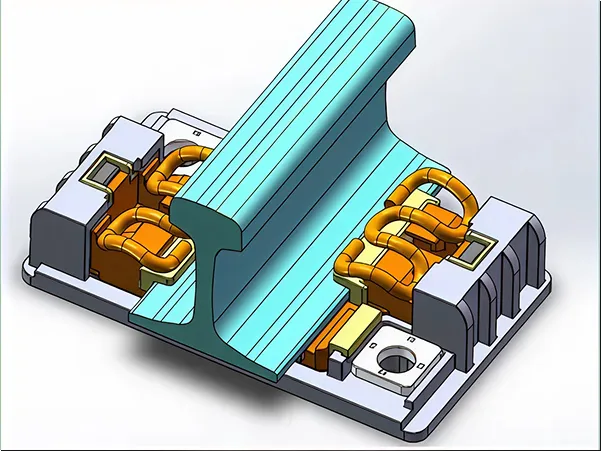
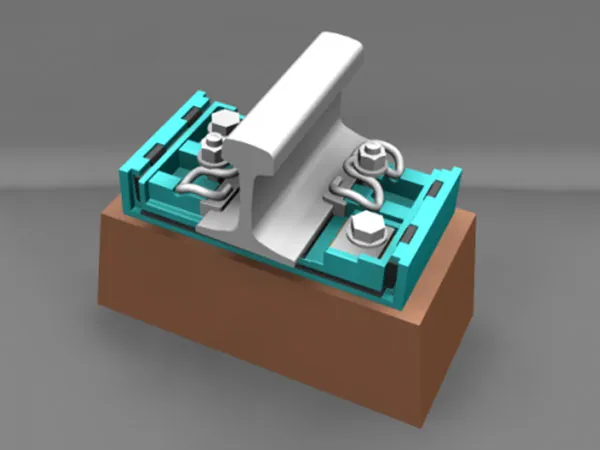
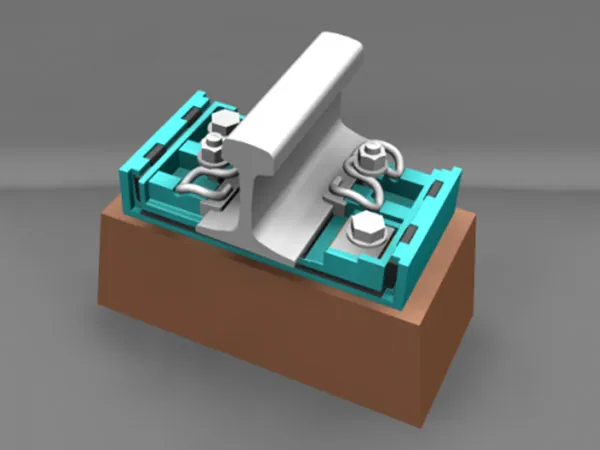
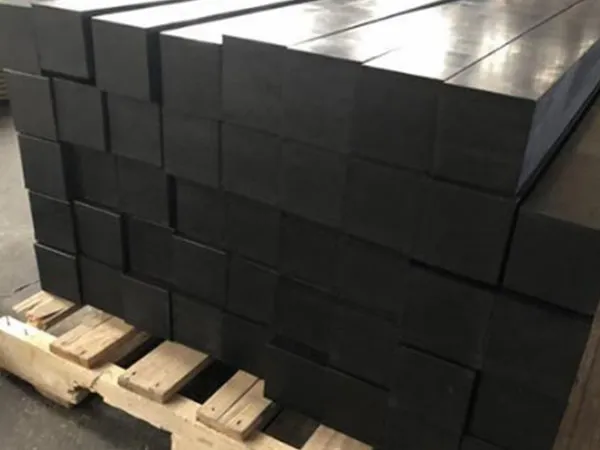
Ke Fei's independently developed synthetic sleepers feature a continuous glass fiber reinforcement skeleton and a polyurethane foam body, which are integrally formed through an extrusion process. They offer precise cross-sectional dimensions and customizable lengths according to engineering requirements. Leveraging the inherent advantages of composite materials, these sleepers achieve a balance of high strength and light weight: they exhibit excellent bending load-bearing and fatigue resistance, with closed-cell structures that do not absorb water and maintain stable electrical insulation.
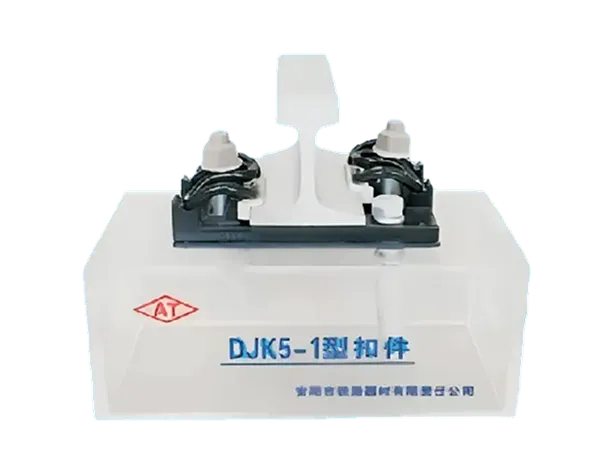
They can be directly paired with conventional fasteners without requiring additional insulation components, and have a design life of up to 50 years. Their density is approximately one-third that of concrete sleepers, eliminating the need for large equipment during handling and lifting. On-site operations can include cutting, drilling, and nailing, allowing flexible construction organization and effectively reducing maintenance window times.
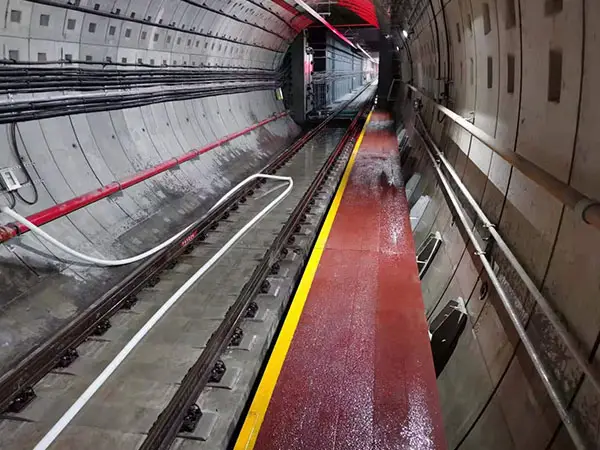
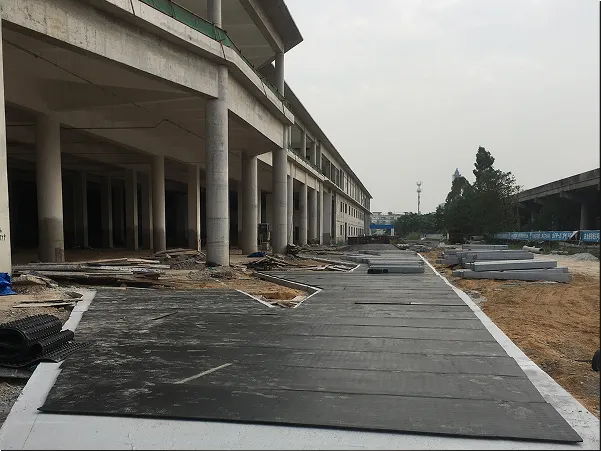
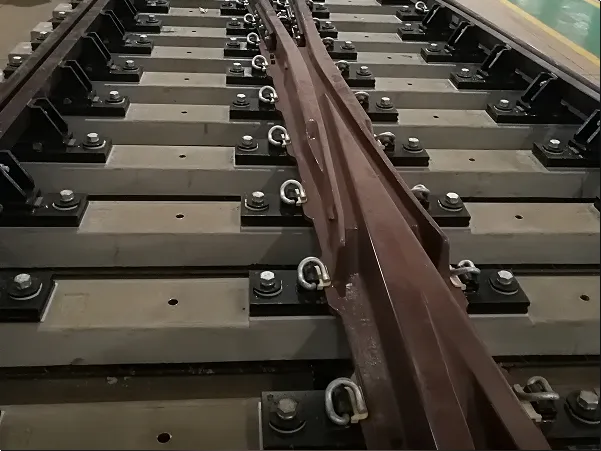
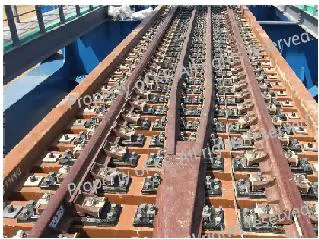
Depot turnout area: Composite sleepers and fastening system laid together.
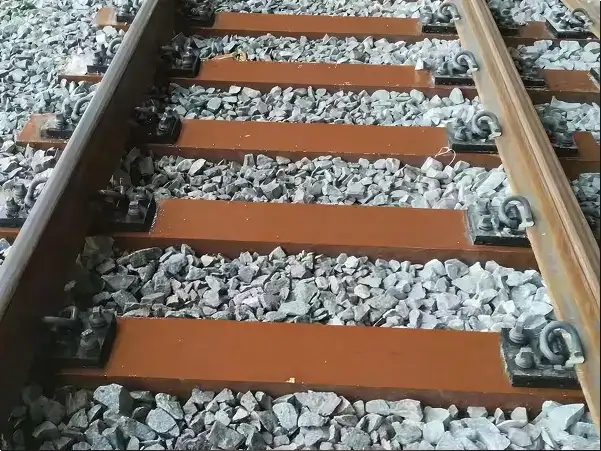
The turnout area of a depot is the most structurally complex and demanding section of the entire line, where traditional concrete switch sleepers are cumbersome and difficult to adjust, and wooden sleepers have relatively short service life—problems that have persisted for a long time. Composite sleepers combine the load-bearing capacity of concrete sleepers with the full processing versatility of wooden sleepers. Adjustments to switch sleeper spacing and ballast work can be carried out using conventional methods, offering a maintenance-free, long-life alternative for turnout areas. The track slab layout in turnout areas is completed, with easy adjustments to gauge and level.
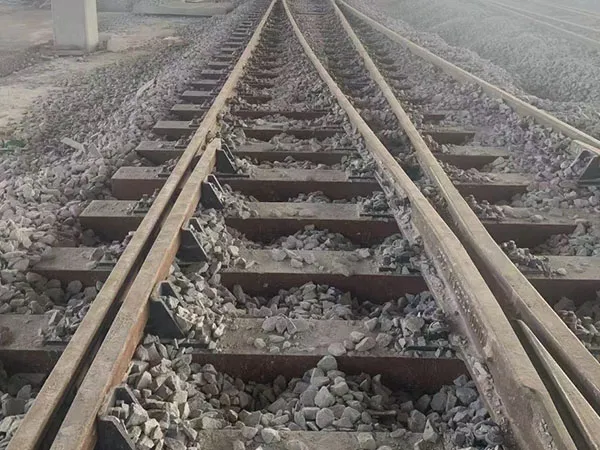
Based on on-site feedback, after laying, the sleepers are well interlocked with the ballast, the track exhibits stable elasticity and vibration reduction performance, and it demonstrates excellent geometric state retention capability. Consequently, maintenance efforts will be significantly reduced in the future.
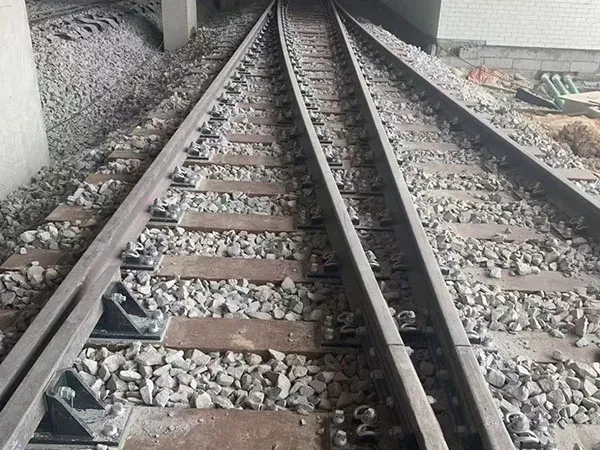
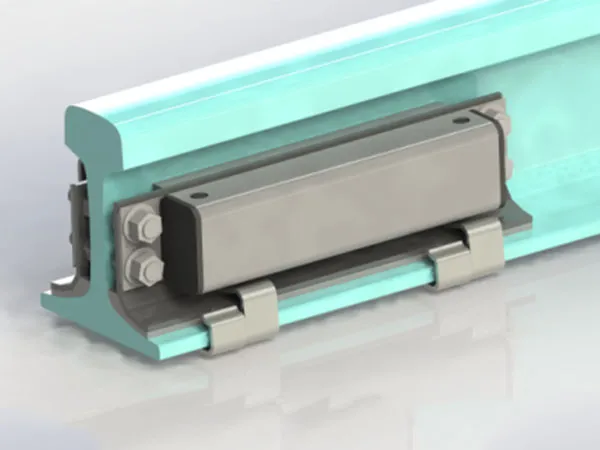
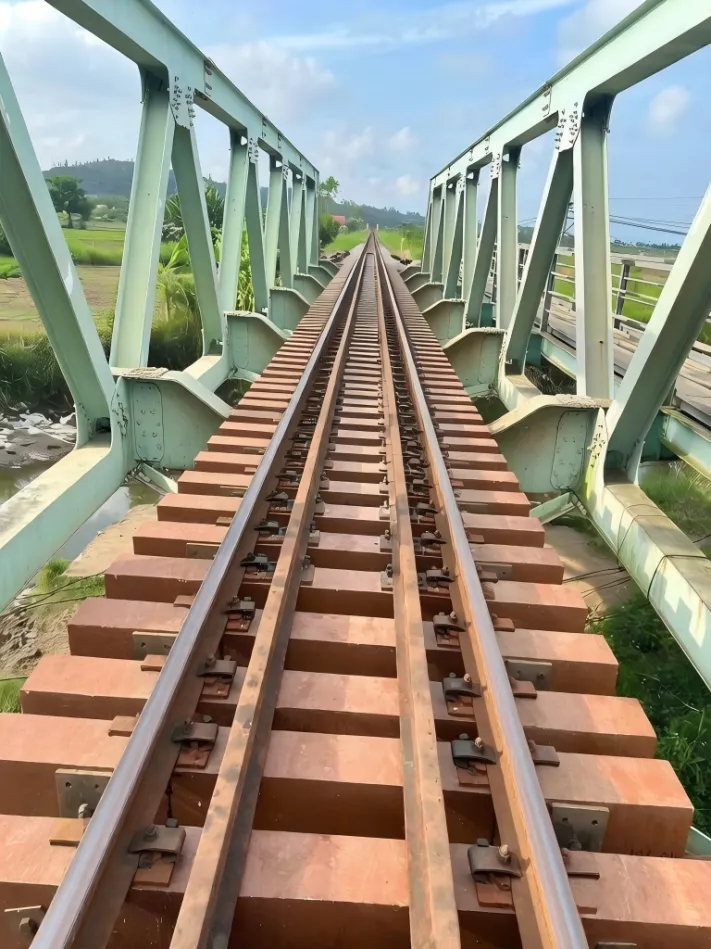
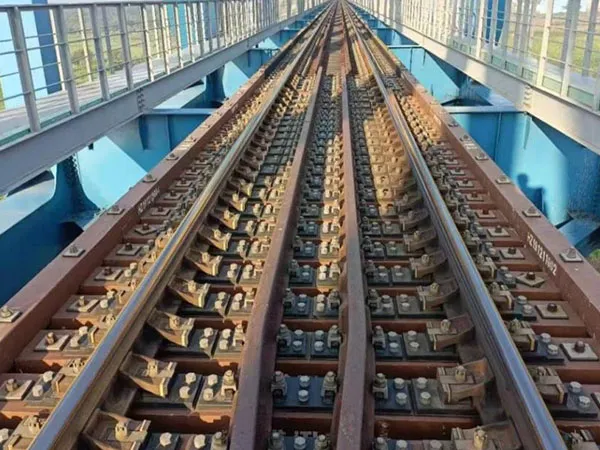
Steel Bridges: Laying of Composite Sleepers and Fastening Systems in Combination
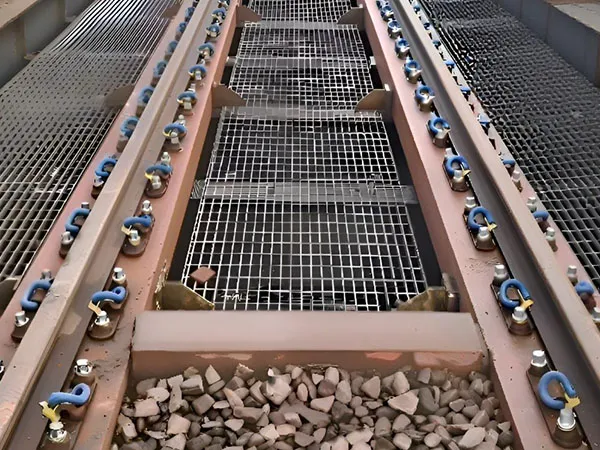
Kefei will continue to rely on projects to continuously improve the series of products and supporting laying solutions for synthetic sleepers in special areas such as steel bridges and depot sections, providing track engineering with new material options for vibration and noise reduction that offer longer service life and lower maintenance costs.