hnkf888@ryurail.com
+86 18838296872
Composite Evacuation Platform

Composite Evacuation Platform

HomeComposite Evacuation Platform
Composite Evacuation Platform
Product Introduction

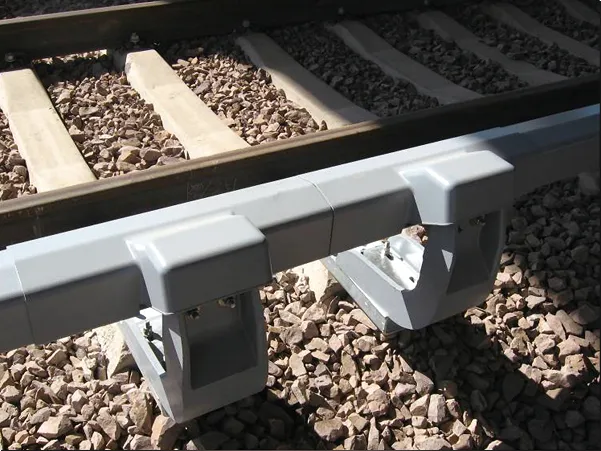
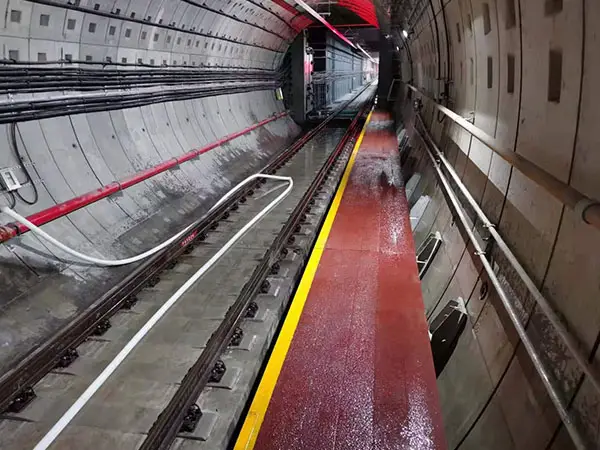
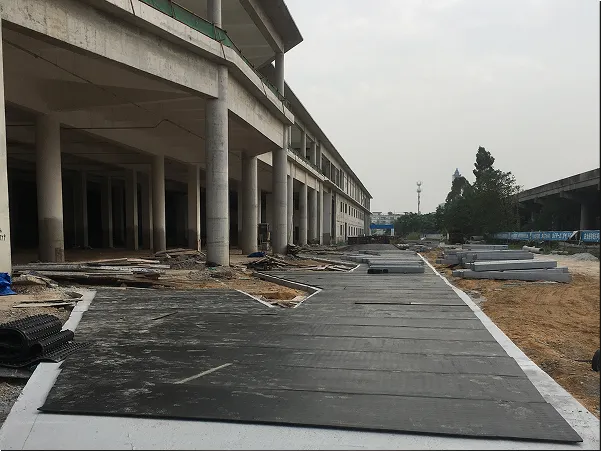
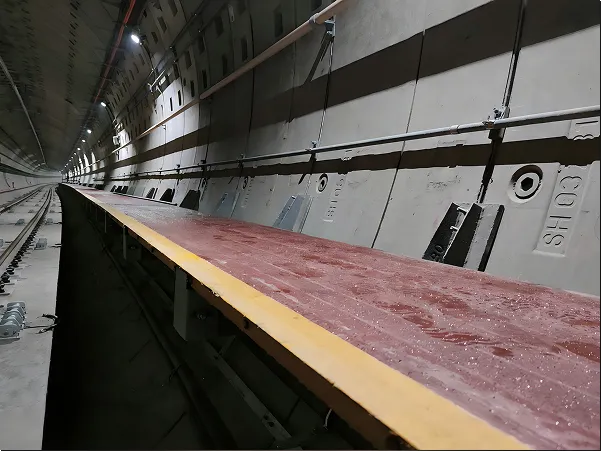
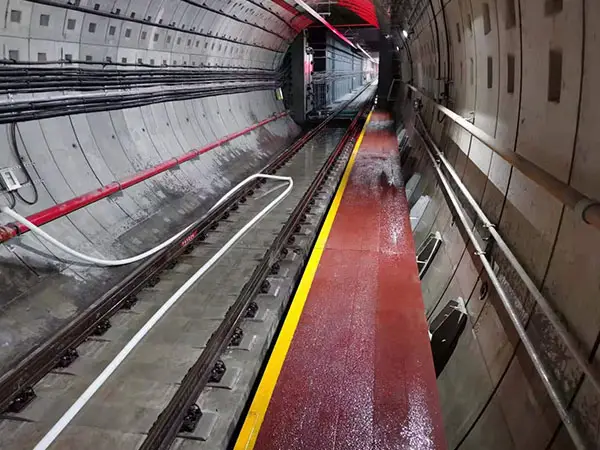
The composite evacuation platform is made of phenolic resin as the base material and glass fiber roving as the reinforcement material, manufactured by pultrusion process. It mainly consists of platform grilles, beams,slanted beams, and handrails. Assembled via metal connectors, it is installed in subway tunnels to provide emergency escape for passengers during fires or other incidents. The product features high strength, high flame retardancy, low smoke density, low toxicity, light weight, as well as impact resistance, aging resistance, and corrosion resistance. Besides being used as escape platforms in subway tunnels, it can also be widely applied in emergency escape routes or rescue sites such as offshore oil platforms, pedestrian passages, ship decks, and coal mines.

Our Product Features Of
Composite Evacuation Platform

Product Parameters

Item

Sub-item

Technical Indicator

Fire Performance

Combustion Class, Grade

Composite A2

Structural Load Performance

Uniform Load, kPa

5

Structural Load Performance

Concentrated Load, kN/m²

3.9

Structural Load Performance

Wind Load, kPa

1.5


FAQ
How are composite evacuation platforms installed?

They adopt a modular design with prefabricated panels that can be quickly bolted or clipped in place. Their lightweight nature allows fast installation with minimal heavy equipment, reducing track possession time.

Are composite evacuation platforms suitable for electrified railways?

Absolutely. FRP/GFRP materials are non-conductive, making them ideal for DC or AC electrified railway systems by reducing the risk of electrical hazards during evacuation or maintenance.

Are the platforms fire resistant?

They can be manufactured with flame-retardant resins to meet railway fire safety requirements, offering low smoke and low toxicity (LS/LT) performance to enhance safety during emergencies in tunnels and enclosed spaces.

What are the main advantages of FRP/GFRP evacuation platforms?

FRP composite platforms are lightweight, high-strength, corrosion-resistant, electrically insulating, and low maintenance. Compared with steel or concrete, they are easier to install, last longer in harsh environments, and significantly reduce lifecycle costs.

What environments are composite platforms suitable for?

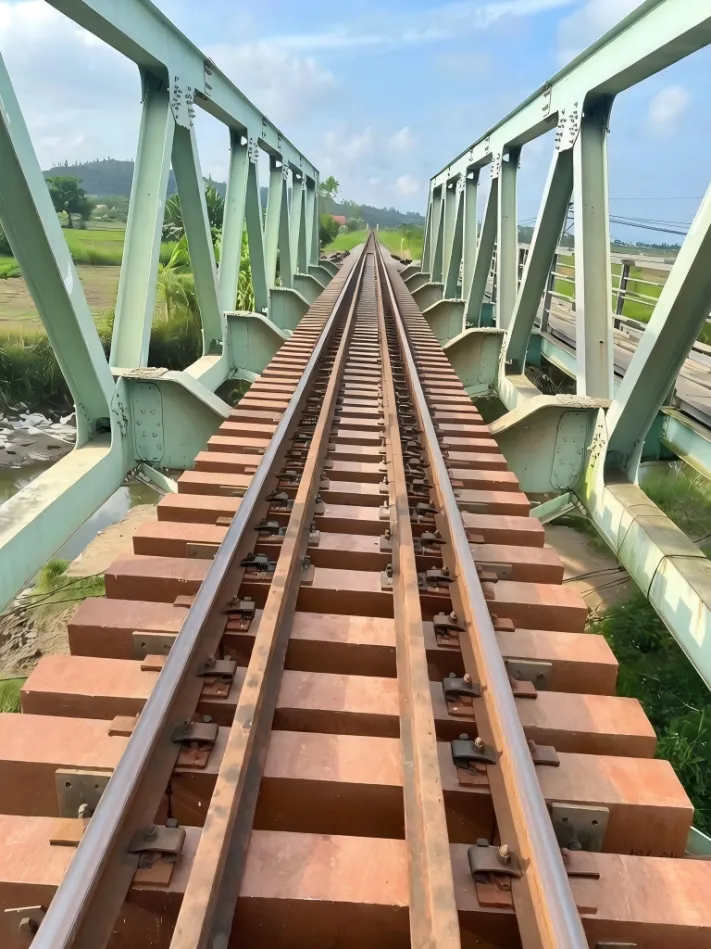
They perform exceptionally well in tunnels, coastal railways, underground metros, bridges, and outdoor lines, where moisture, salt spray, chemicals, and UV exposure would normally degrade steel or concrete.

Can the surface prevent slipping in wet conditions?

Yes. The walking surface features molded anti-slip patterns or quartz sand coatings, providing excellent slip resistance even in wet, oily, or humid environments commonly found in tunnels and metros.

Are composite evacuation platforms strong enough for emergency use?

Yes. Our composite platforms are engineered to meet railway load standards and can safely support pedestrian traffic, rescue equipment, and maintenance personnel while maintaining excellent structural stability.

What is a composite material evacuation platform for railway track systems?

A composite evacuation platform is an emergency walkway installed alongside railway tracks, made from FRP/GFRP composite materials. It provides a safe path for passenger evacuation and maintenance access in tunnels, bridges, and underground rail sections, offering a lightweight and corrosion-resistant alternative to steel or concrete platforms.

Related News
Stay updated with our latest news