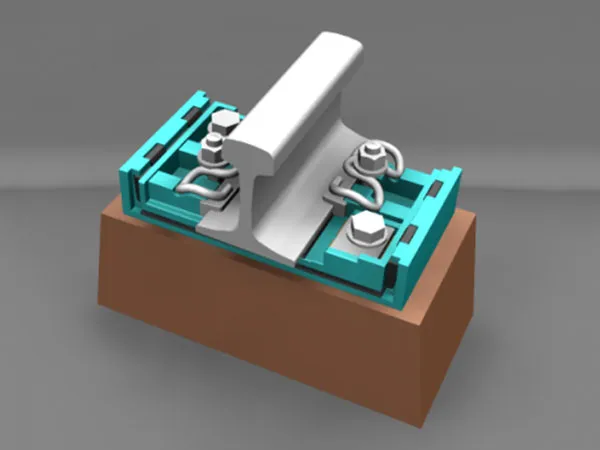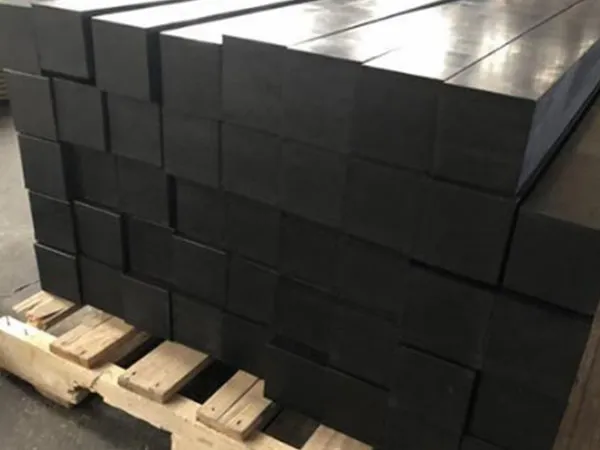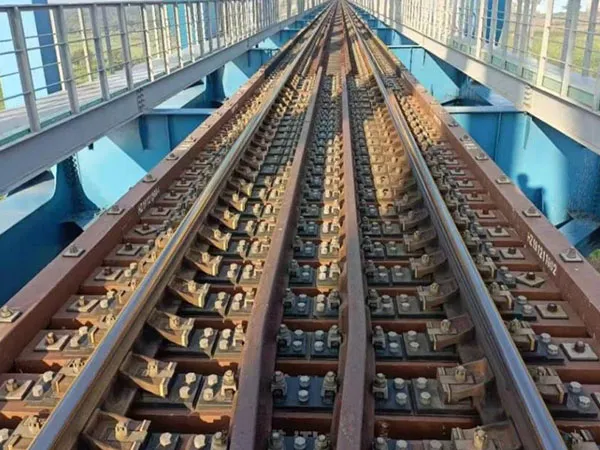
Vibration Reduction Fastener
Dedicated Fastening System
Various Parts and Components
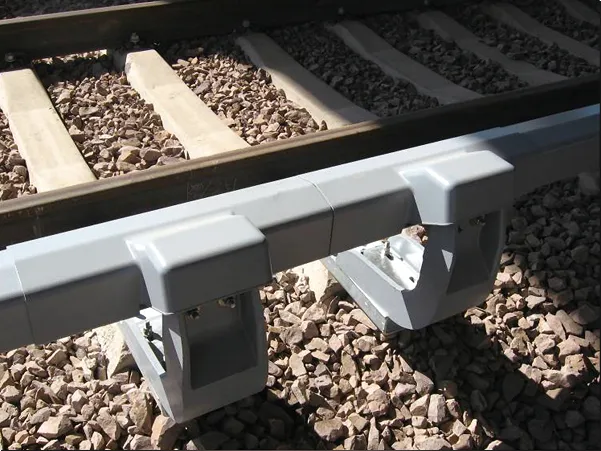
Composite Protective Cover
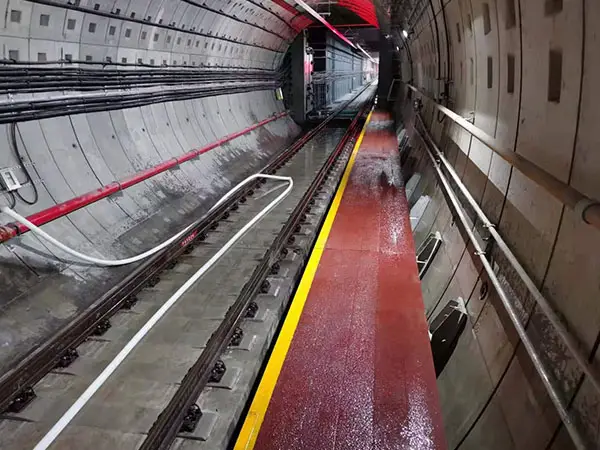
Composite Evacuation Platform
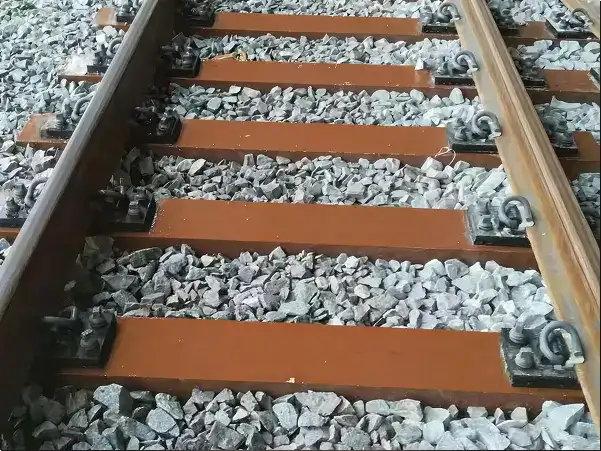
Synthetic Sleeper
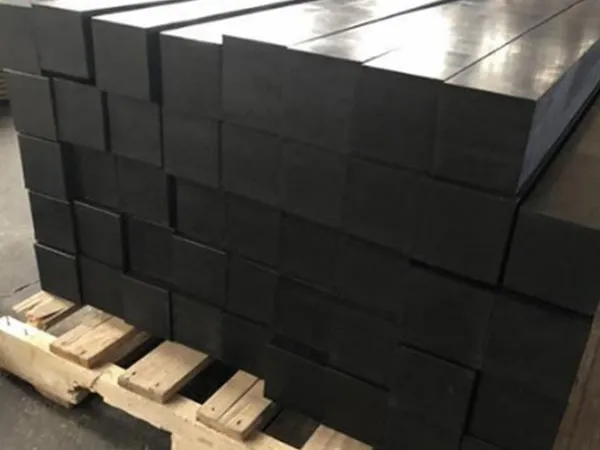
Rubber-Plastic Composite Rail Sleeper
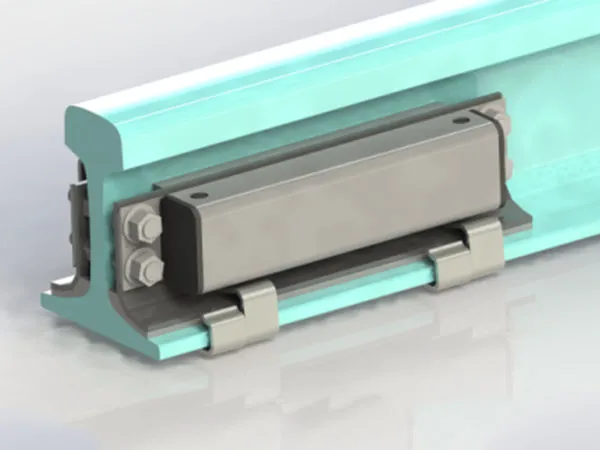
Rail Damping Tuned Mass Damper for Vibration and Noise Reduction
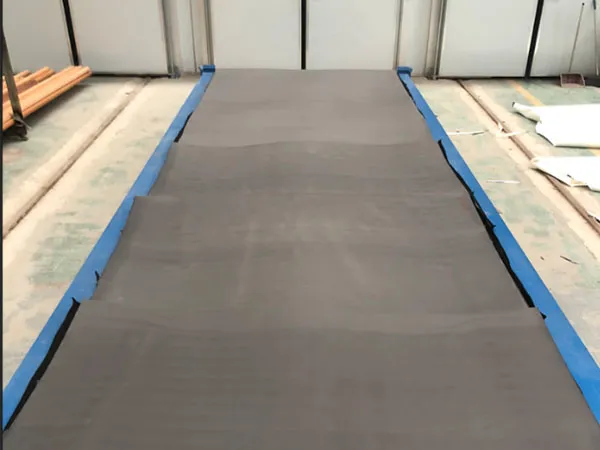
Polyurethane Ballast Bed Isolation Mat
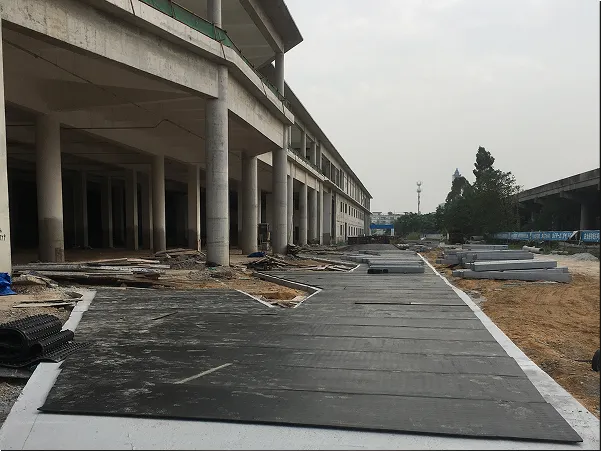
Polyurethane Under Sleeper Pad (USP)
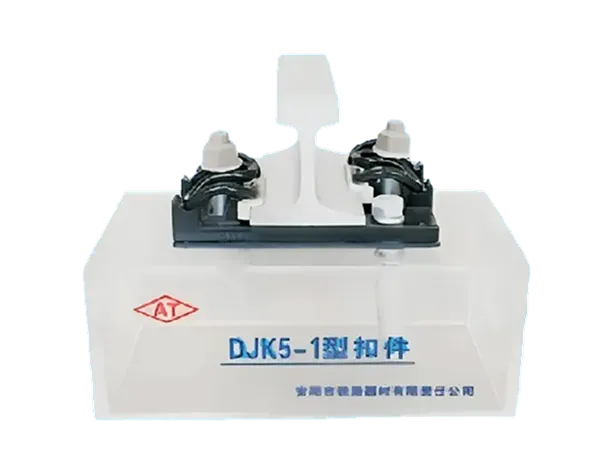
Fastening Systems
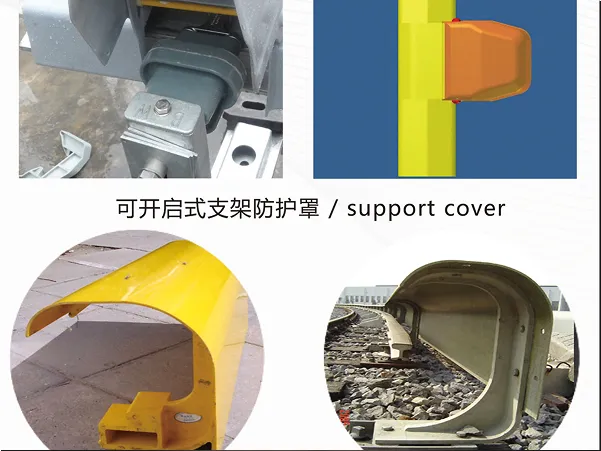
Kefei fiberglass protective covers offer advantages such as high strength, good dimensional stability, excellent resistance to high and low temperatures, resistance to acid and alkali corrosion, and good aging resistance.
Support protective covers with cap heads are commonly used domestically. The cap head structure provides additional protection for insulated supports and enhances their electrical reliability under harsh weather conditions. Another type, the openable cap head support protective cover, offers the dual advantages of convenient maintenance and extra protection for the support.
1. Determine Track Type & Load Requirements
High-speed lines need impact-resistant, vibration-damping covers, while freight lines need extra durability.
2. Check Material Specifications
Look for UV-resistant, corrosion-proof, fire-retardant composites that meet international railway standards.
3. Consider Installation & Handling
Lightweight, modular designs simplify installation and replacement, reducing labor costs.
4. Evaluate Environmental Conditions
Ensure chemical, salt, and moisture resistance in harsh environments; anti-slip surfaces are recommended for wet or snowy regions.
5. Verify Supplier Support & Warranty
Choose suppliers offering technical guidance, installation support, and warranty for long-term assurance.
6. Assess Cost vs. Lifespan
Higher initial cost is offset by long-term savings from reduced maintenance and extended service life.Depending on environmental conditions and traffic loads, composite protective covers typically last 15–25 years, significantly reducing replacement frequency compared to traditional metal or wooden alternatives.
Yes, the dimensions, thickness, and surface profiles can be customized to fit specific track gauges and configurations.
Yes, they are designed to withstand high dynamic loads, vibrations, and temperature fluctuations, making them ideal for high-speed, urban, and freight rail systems.
Composite protective covers are typically made from fiber-reinforced polymers (FRP), combining high-strength fibers like glass or carbon with durable polymer resins. This ensures excellent corrosion resistance, UV stability, and mechanical strength.
Composite covers are low-maintenance, requiring only occasional cleaning to remove dirt or debris. Unlike metal covers, they do not corrode and retain structural integrity for years.
Installation is straightforward: the covers are placed over the track and fastened using existing rail fastening systems. Their lightweight design allows quick installation with minimal disruption to rail operations.
They shield tracks from mechanical wear, environmental corrosion, debris accumulation, and UV damage, reducing maintenance needs and extending track lifespan.