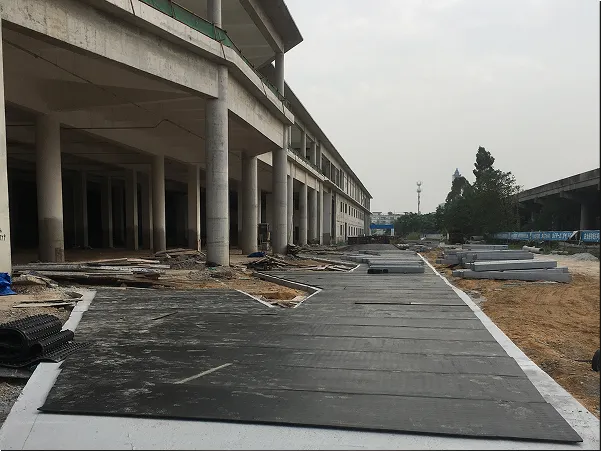
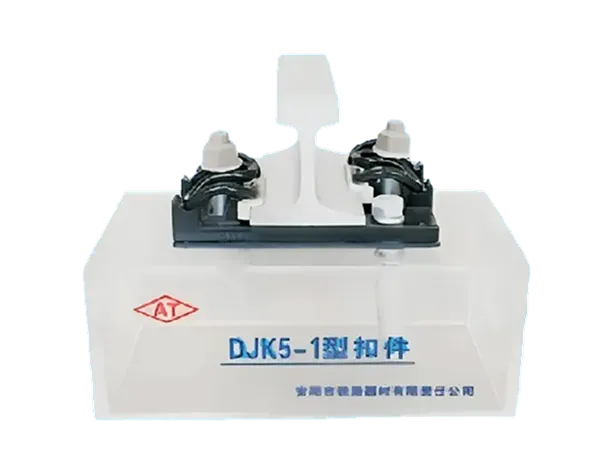
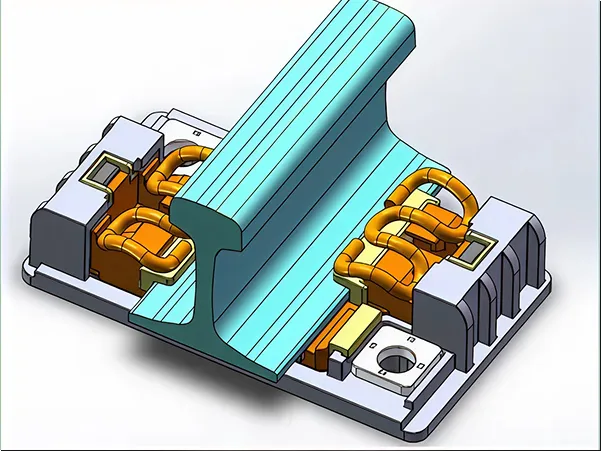
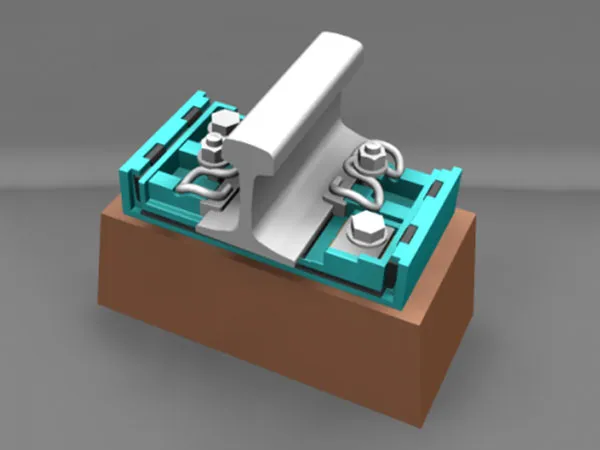
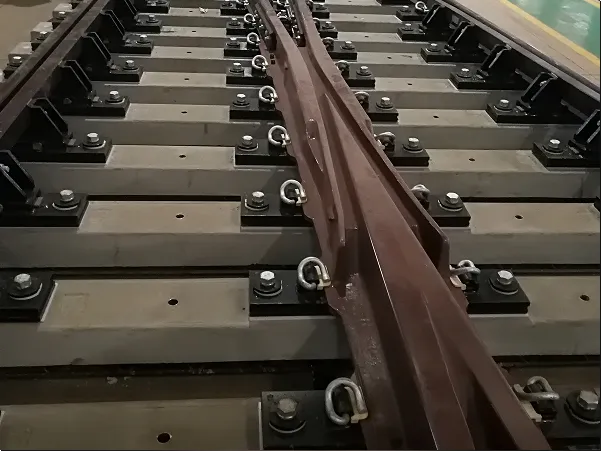
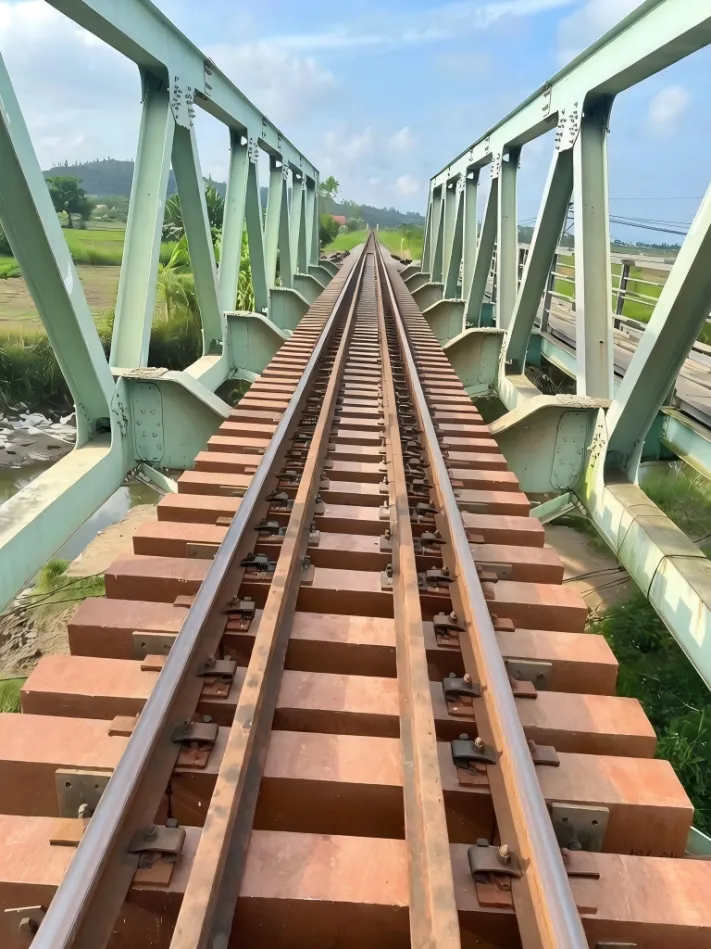
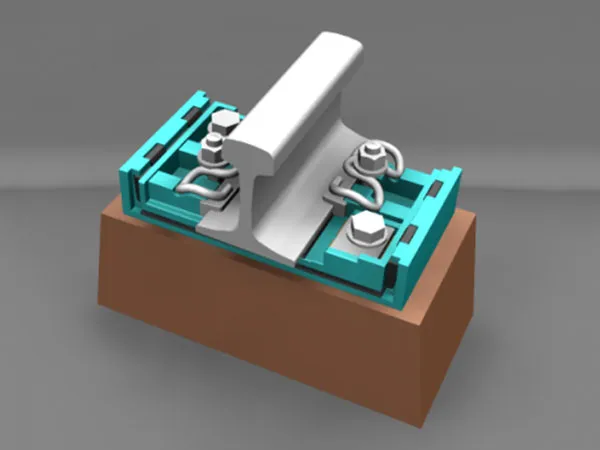
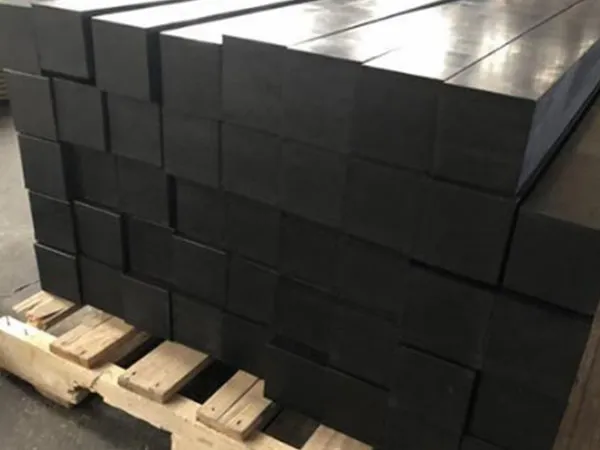
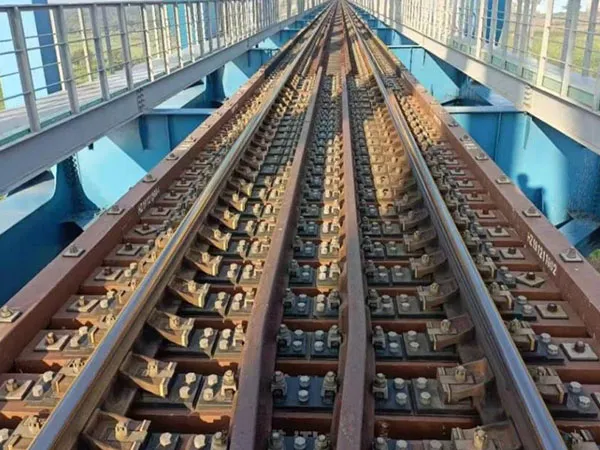
Vibration reduction fasteners play a crucial role in modern machinery and structural applications. They help minimize unwanted vibrations, improve operational stability, and extend the lifespan of mechanical components. However, like any precision component, their performance depends heavily on proper maintenance. In this article, we’ll share practical tips to keep your vibration reduction fasteners in optimal condition and ensure long-term reliability.
Vibration Reduction Fasteners Maintenance Guide
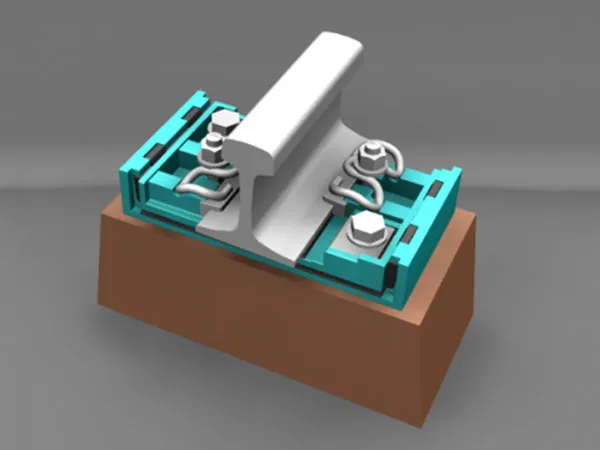
Maintaining vibration reduction fasteners is critical for ensuring the safety, reliability, and optimal performance of machinery and structures. Failure to do so can lead to component fatigue, structural failure, and equipment downtime.
1. Regular Inspection Is Key
The first step in maintaining vibration reduction fasteners is consistent inspection. Regular checks allow you to identify signs of wear, loosening, or corrosion before they become critical problems. During inspection:
Look for visible cracks or deformations in the fastener body.
Check for rust or corrosion, especially in environments with high humidity or chemical exposure.
Ensure that all fasteners remain securely tightened according to manufacturer torque specifications.
Routine inspections not only prevent failures but also improve safety and performance across your machinery.
2. Proper Torque and Tightening
Vibration reduction fasteners are designed to function within specific torque ranges. Over-tightening can damage threads or reduce vibration-absorbing efficiency, while under-tightening may cause loosening over time. To maintain effectiveness:
Always use a calibrated torque wrench for installation.
Follow the manufacturer’s recommended torque values.
Consider re-torquing after the initial period of operation, as vibrations may cause slight settling.
Accurate torque ensures that the fastener retains its vibration-dampening properties without compromising structural integrity.
3. Cleanliness Matters
Dirt, dust, and debris can interfere with the proper functioning of vibration reduction fasteners. Contaminants may reduce friction in threaded connections or damage anti-vibration coatings. Maintenance tips include:
Keep the surrounding area clean during installation or replacement.
Wipe fasteners with a clean cloth before reinstallation.
Avoid using aggressive chemicals that could degrade rubber or polymer components in the fastener.
A clean installation environment improves durability and ensures consistent performance.
4. Lubrication Guidelines
Certain vibration reduction fasteners require lubrication, particularly those with metallic threads or components in high-friction applications. Proper lubrication helps prevent corrosion, reduces wear, and ensures smooth operation. Key points to consider:
Use only lubricants recommended by the fastener manufacturer.
Avoid over-lubrication, which can lead to slippage and ineffective torque readings.
Reapply lubrication during scheduled maintenance cycles to maintain optimal performance.
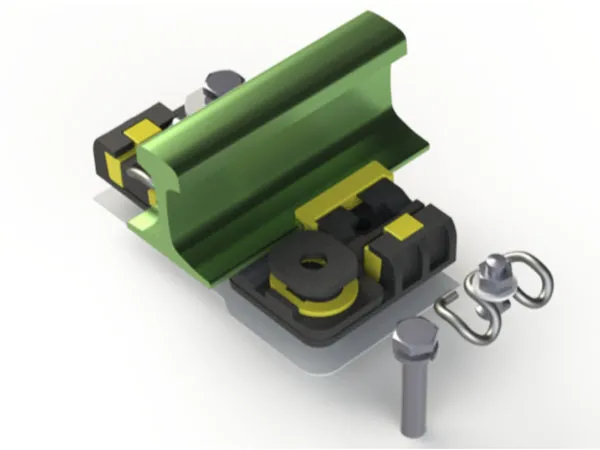
5. Replace Worn or Damaged Fasteners Promptly
Even with careful maintenance, vibration reduction fasteners can wear out over time. Signs that replacement is necessary include:
Noticeable loosening despite proper torque application.
Deformation, cracks, or wear on anti-vibration components.
Corrosion that cannot be removed through cleaning.
Replacing fasteners proactively prevents equipment downtime and ensures safety in high-vibration environments.
6. Document Maintenance Records
Maintaining a detailed log of inspections, torque adjustments, lubrication, and replacements is a best practice. Documentation helps track the lifespan of your fasteners and informs predictive maintenance strategies. For industrial applications:
Record the installation date and torque values.
Log all inspections and any corrective actions taken.
Schedule future maintenance based on historical performance data.
Proper record-keeping enhances operational efficiency and reduces the risk of unexpected failures.
Conclusion
Vibration reduction fasteners are essential for reducing wear, noise, and operational instability in machinery and structures. By following these maintenance tips—regular inspection, proper torque application, cleanliness, correct lubrication, timely replacement, and detailed record-keeping—you can maximize their effectiveness and lifespan. Proper maintenance not only protects your investment but also ensures safe and efficient operation in the long run.