The fiberglass-reinforced polyurethane foam synthetic sleepers combines lightness, high strength, long lifespan, ease of construction, and low maintenance. Compared to traditional wooden or concrete sleepers, it is more advantageous for use in bridge and turnout areas. It not only addresses the “pain points” of traditional sleepers in complex conditions but will also make significant contributions to the construction of a safe, convenient, efficient, green, and economically viable modern comprehensive transportation system.
I.The Bridge Area: Lightweight Construction and Anti-Corrosion Measures to Safeguard the “Iron Backbone”
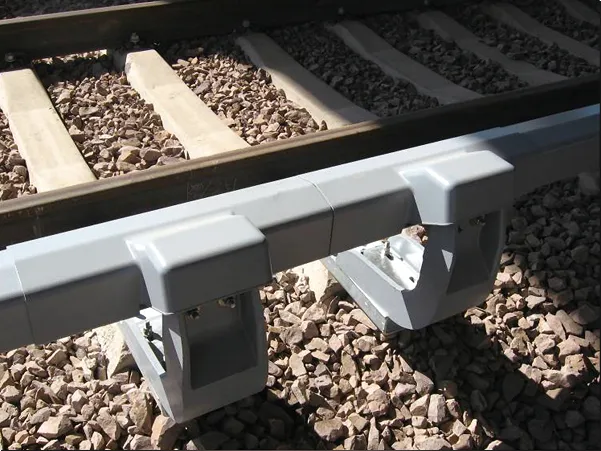
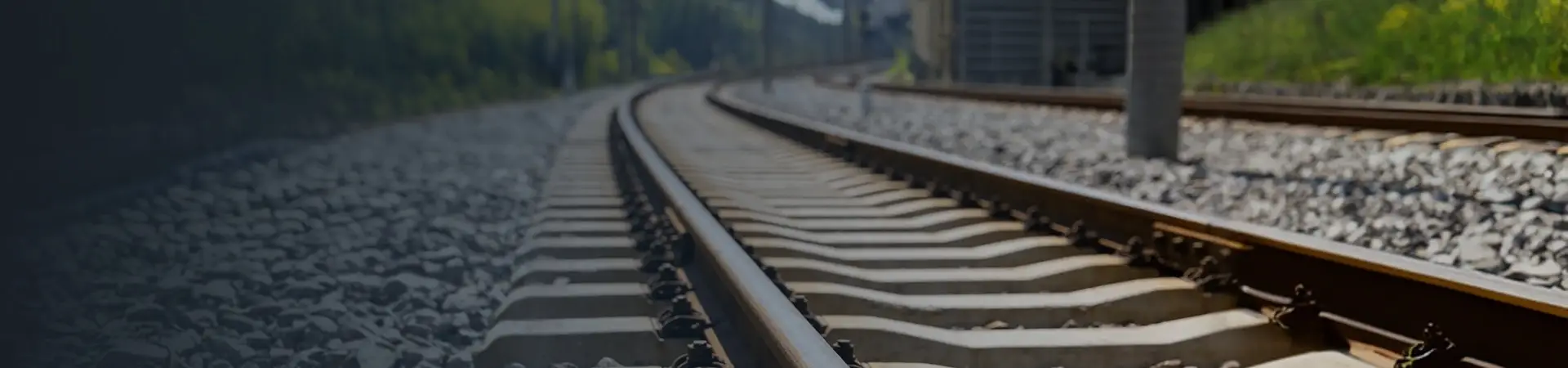
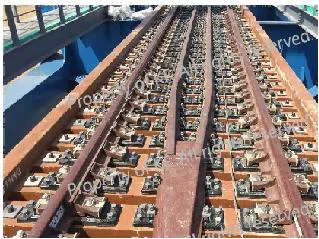
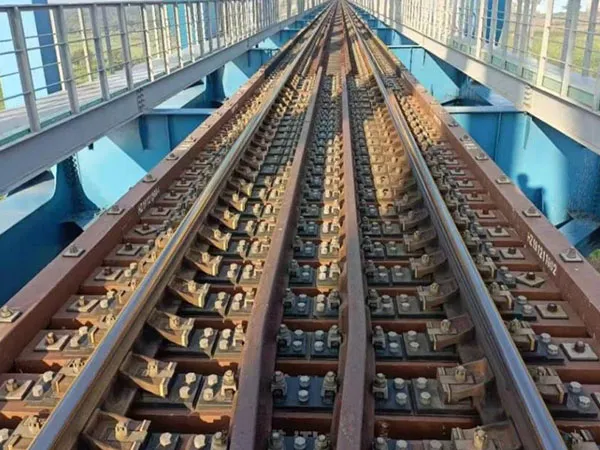
On the steel truss railway bridge that spans fields and streams (illustrated in Figure 1), traditional wooden sleepers/concrete sleepers are prone to decay, cracking, and overloading issues, which pose a threat to bridge safety and increase operational costs.
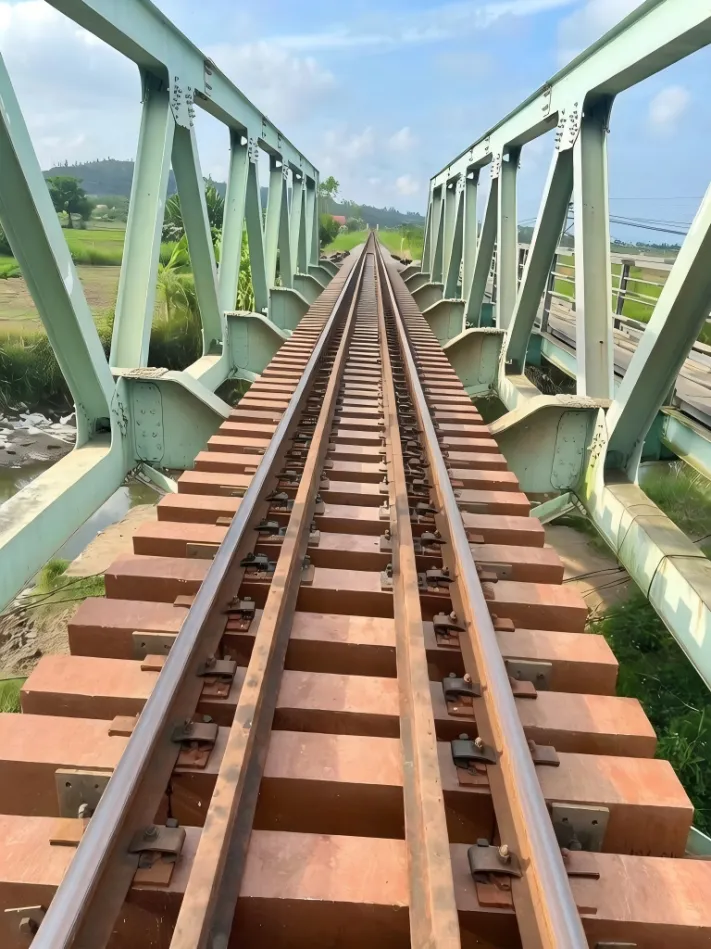
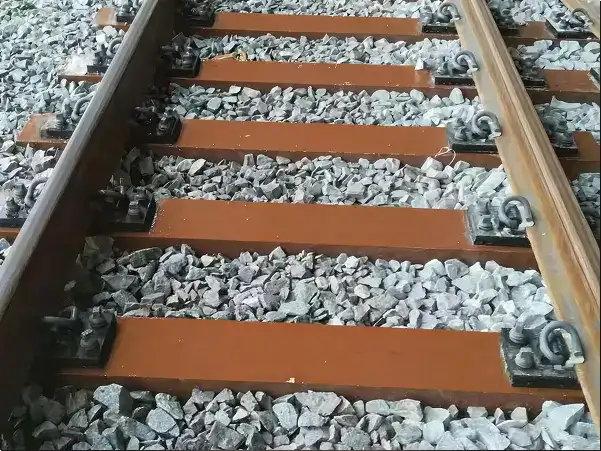
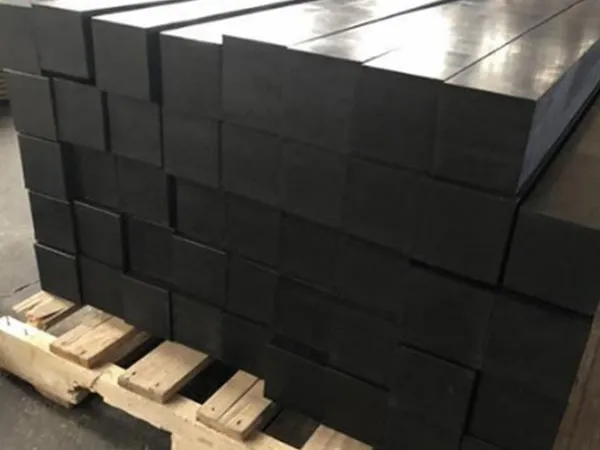
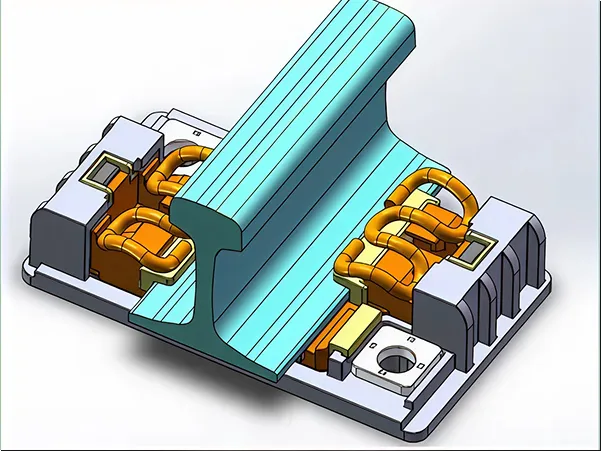
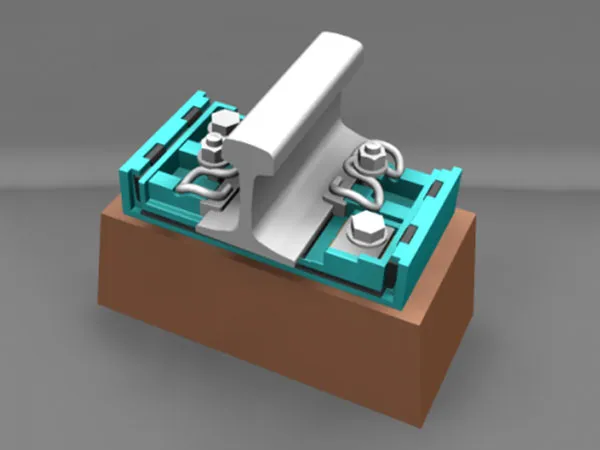
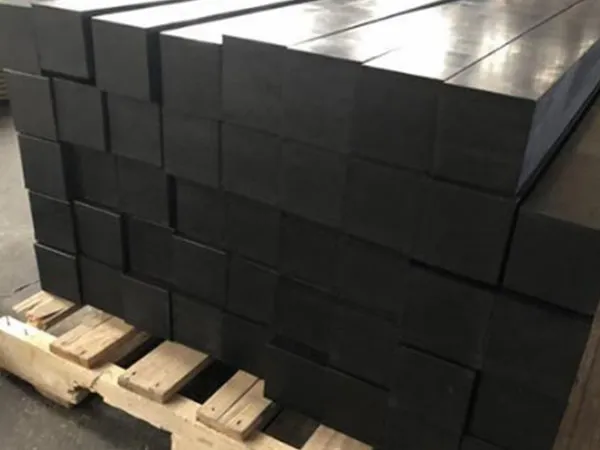
Kefei synthetic sleepers feature a continuous glass fiber reinforcement framework, which is cured and formed using a polyurethane foaming process, achieving a perfect balance between “lightweight” and “high strength.”
Weight reduction and efficiency improvement: its density is only 1/3 of that of concrete rail sleepers, significantly reducing the load on bridges and alleviating fatigue stresses on steel structures.
Corrosion-resistant and water-resistant: Say goodbye to the limitations of wooden sleepers, which are prone to moisture, decay, and insect damage. These materials exhibit excellent weather resistance, lasting for over 50 years, and require less maintenance throughout their entire lifespan.
Insulating and shock-absorbing: There are no risks of metal conductivity, and the polyurethane micro-porous structure effectively absorbs vibrations, enhancing driving comfort and signal security.
Field construction personnel reported, “The synthetic rail sleepers are lightweight, making them easy for workers to handle and fine-tune. This has increased construction efficiency by 40% compared to traditional wooden sleepers, and there is no need for additional anti-corrosion treatments. The project duration has been shortened by nearly one-third.”
II. The turnout area: precise fitting to ensure “safety in turning”.
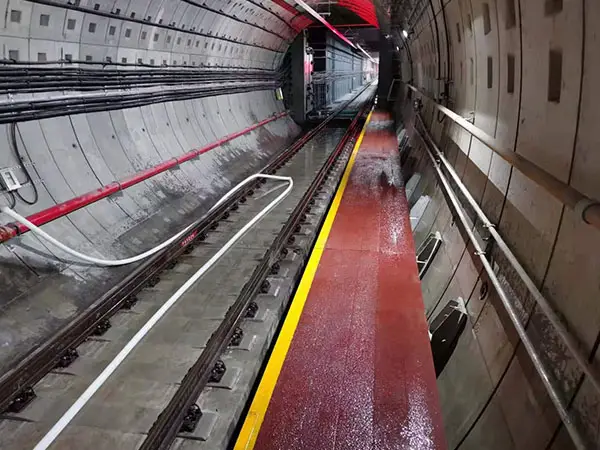
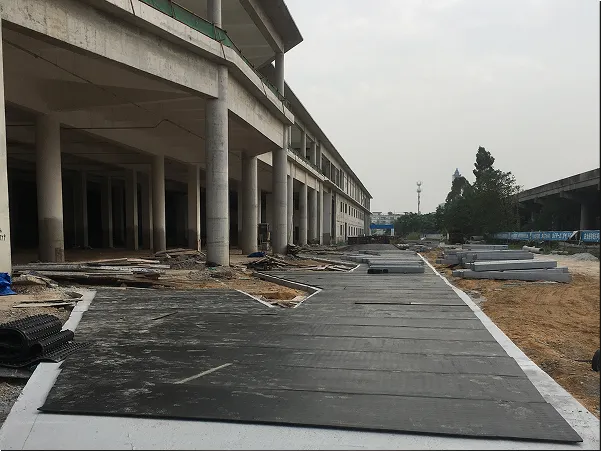
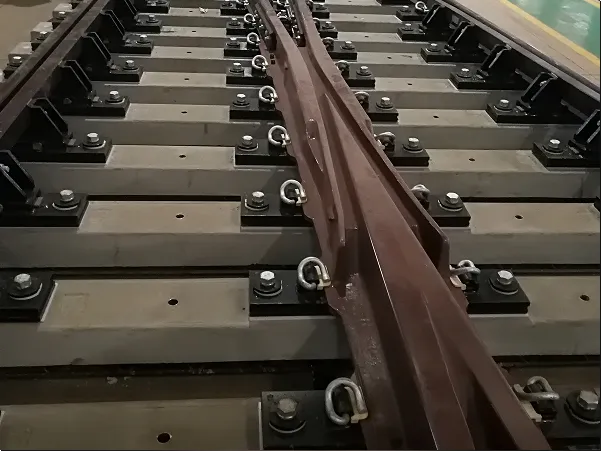
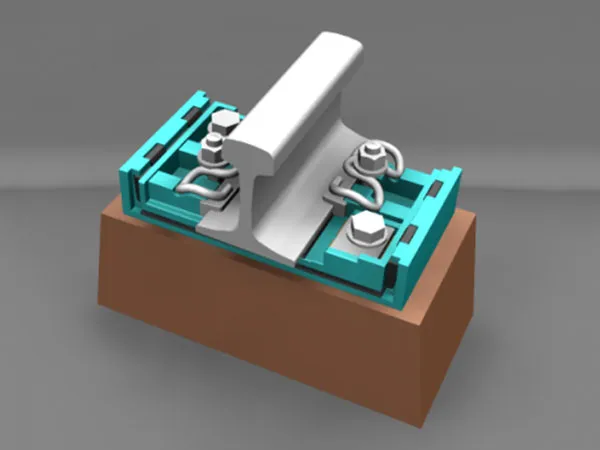
In the area of railway turnout sections (illustrated in Figure 2), complex track switching places extremely high demands on the geometric accuracy, stability, and impact resistance of the rail pads. Traditional wooden sleepers are prone to deformation, while concrete sleepers are cumbersome and difficult to adjust.
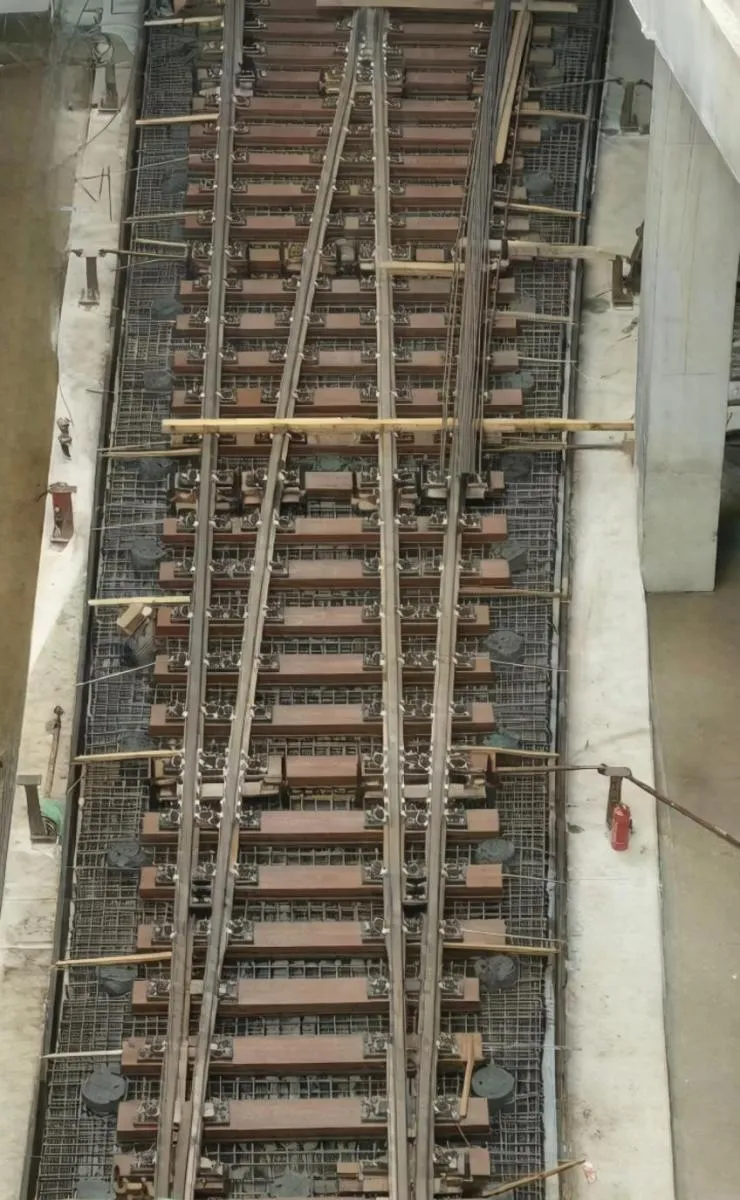
Maintenance of turnout sections often requires “frequent disassembly and reassembly,” which impacts operational efficiency.
Kefei synthetic sleepers, thanks to their precise process control and outstanding mechanical properties, perfectly adapt to the complex conditions of turnout systems.
Stable dimensions: Industrial production ensures that the lengths, widths, and precision of the rail bed slots meet the standards of millimeters, ensuring smooth turnout transitions.
High impact resistance: The glass fiber-reinforced structure can withstand the sudden impact forces generated when a train passes through a turnout at high speed, thereby reducing track geometric position deviations.
Easy maintenance: The lightweight design makes maintenance of the turnout area more convenient. Minor repairs do not require large equipment, thereby reducing the risk of operational disruptions.
The railway operator stated, “The application of synthetic sleepers in the turnout area has significantly improved the smoothness of the track. The vibration experienced by trains when crossing the turnout has been substantially reduced, and the amount of subsequent inspection work has decreased by approximately 30%.”