
Vibration Reduction Fastener
Dedicated Fastening System
Various Parts and Components
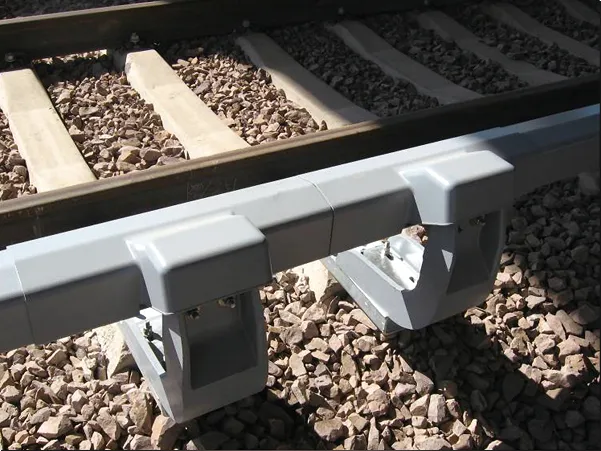
Composite Protective Cover
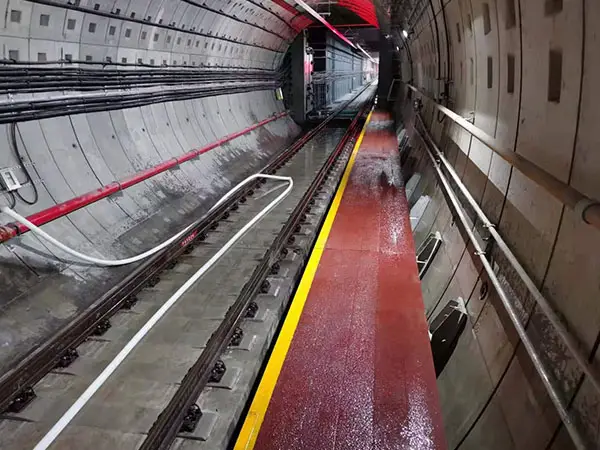
Composite Evacuation Platform
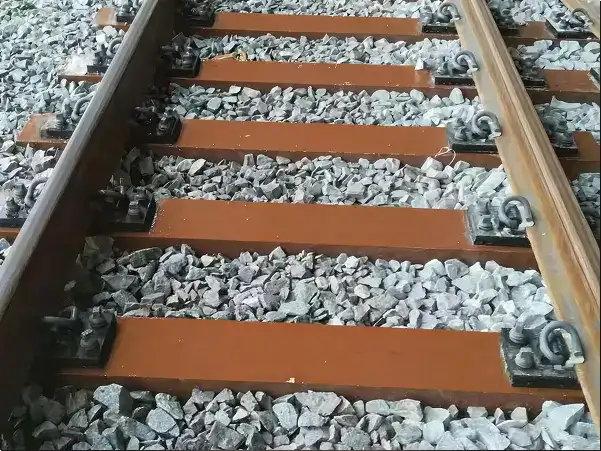
Synthetic Sleeper
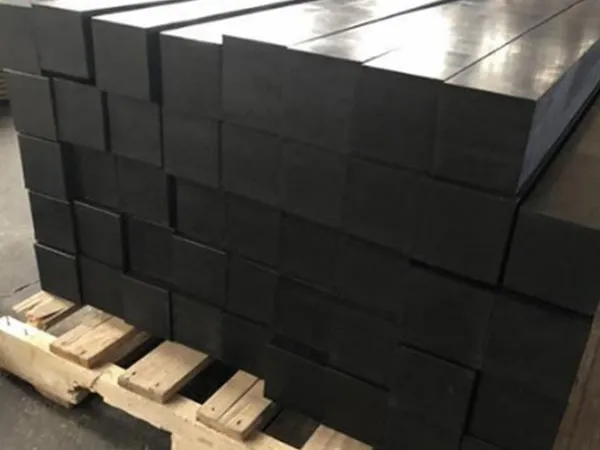
Rubber-Plastic Composite Rail Sleeper
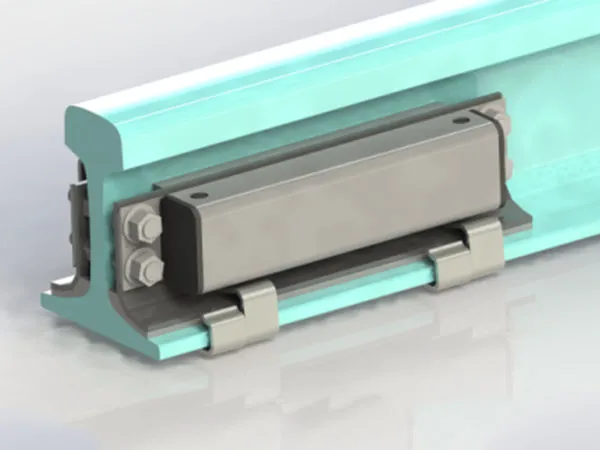
Rail Damping Tuned Mass Damper for Vibration and Noise Reduction
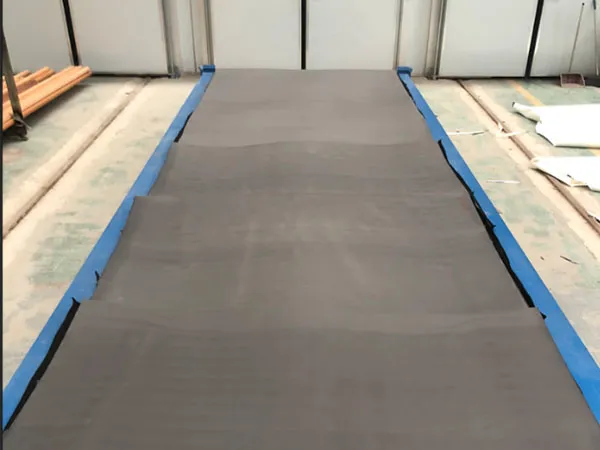
Polyurethane Ballast Bed Isolation Mat
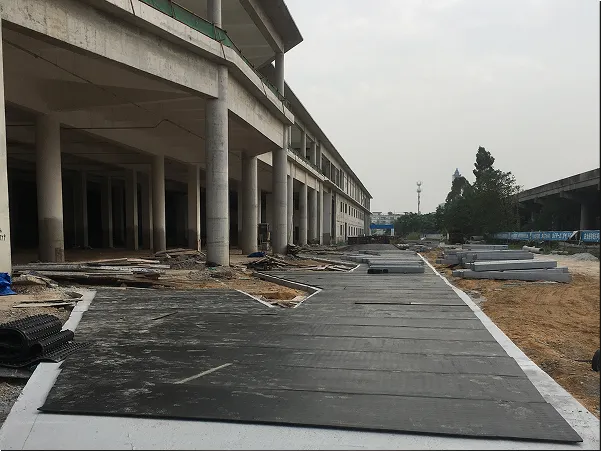
Polyurethane Under Sleeper Pad (USP)
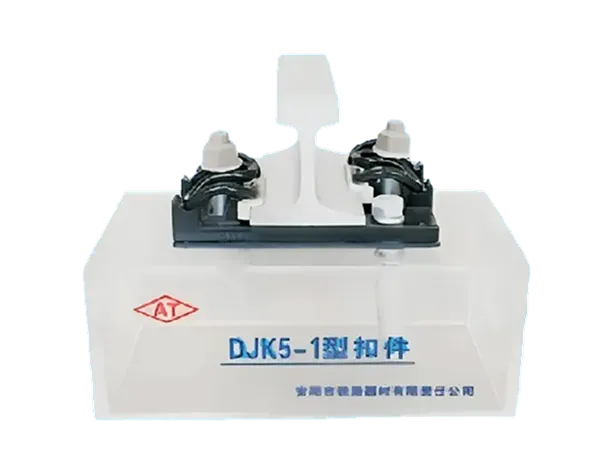
Fastening Systems
Key advantages include: Reduced ground-borne vibration Lower structure-borne noise Improved passenger comfort Extended rail and track component lifespan Reduced maintenance costs...
Read More
Vibration reduction fasteners work by incorporating: Elastic rail pads Rubber or polymer baseplates Damping clips or insulators These components absorb and dissipate dynamic loads, reducing vibration transmission to sleepers, slabs, and subgrade....
Read More
A vibration reduction fastener is a rail fastening system designed to minimize vibration and noise generated by train operations. It uses elastic components to isolate rail vibrations from the track structure and surrounding environment....
Read More
In most cases, yes. Synthetic sleepers are often designed as direct replacements for timber sleepers, matching standard dimensions and allowing the use of existing rail fastenings with minimal modification....
Read More
Under normal operating conditions, synthetic railway sleepers can last 40–60 years, significantly longer than traditional wooden sleepers, which typically last 15–25 years....
Read More
Synthetic railway sleepers are railroad ties manufactured from recycled plastics, polymers, rubber composites, or fiber-reinforced materials. They are designed to replace traditional wood, concrete, or steel sleepers, offering enhanced durability and e...
Read More